What Biophilic Design Actually Means
Biophilic design isn’t about sticking a few pretty plants in your yard and calling it done. The word itself comes from biophilia a love of nature, baked into how we live. In the context of modern home gardens, it’s about designing with the natural world, not just around it.
This approach goes beyond surface level aesthetics. It’s rooted in human wellbeing, sustainability, and a deeper sense of connection. Think spaces that breathe. Gardens that support local ecosystems. Places where light moves naturally, where materials don’t feel synthetic, and where your stress levels drop just walking outside.
Biophilic design isn’t a passing Pinterest trend. It’s a growing return to what feels timeless and essential. Climate shifts, isolation, and digital overload have made this reconnection more important, not less. Home gardens are being reimagined as personal sanctuaries and that’s not going out of style anytime soon.
Natural Elements with Purpose
Biophilic garden design isn’t just tossing rocks and plants together and calling it zen. It’s about using the right elements, in the right way, to let nature do what it does best: support life, move quietly, and make being outside feel like something real.
Start with native plants. They’re not just low maintenance they’re wired to thrive in your soil, your weather, your bugs. That means fewer chemicals, less watering, and more life. Bees, butterflies, birds native greenery pulls them back in and builds a quiet ecosystem in your yard without needing fanfare.
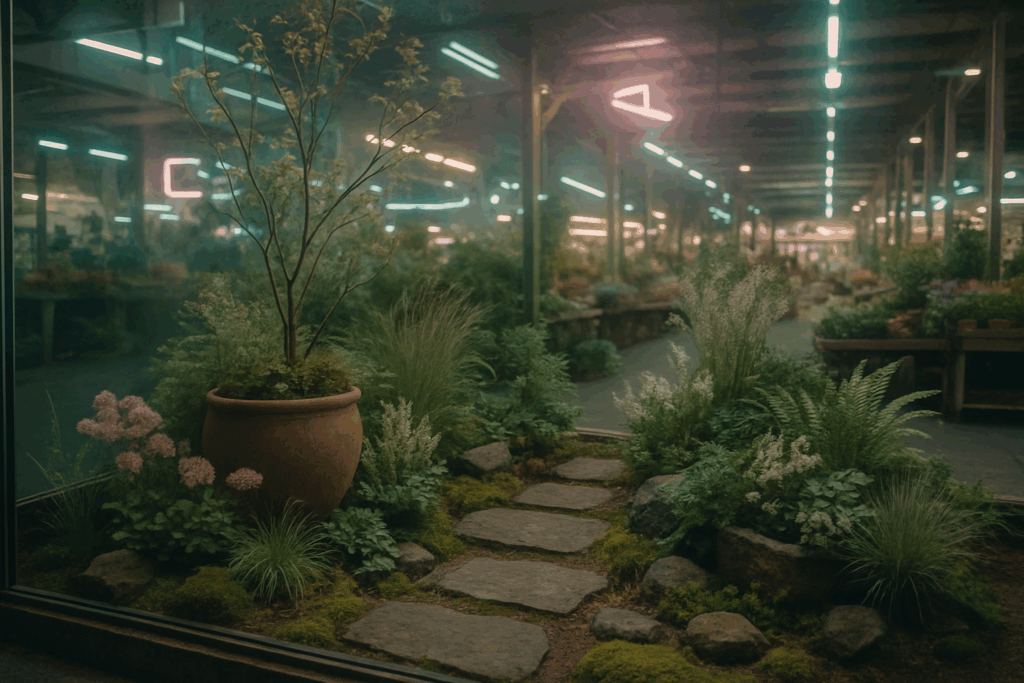
Hardscape matters too. Stones shouldn’t just look pretty they shape movement, soak up heat, and hold the line between wild and clean. A water feature can cool the space and balance dry climates. Wood, untreated and imperfect, brings in texture and warmth. These things anchor your garden. They’re practical. They work.
Lighting and airflow get overlooked but do heavy lifting. Soft uplighting creates calm without drawing attention. Movement in leaves, a drift of air over open space those subtle cues shift how a place feels. It’s not about spotlights or fans it’s letting nature breathe without getting boxed in.
Want design inspiration that shows how this all comes together? Explore visual contrasts in garden styles: modern vs rustic garden. The takeaway’s clear: natural elements aren’t filler they’re functional design, working in sync with the wild parts of your space.
The Indoor Outdoor Blur

You don’t need a backyard jungle to tap into biophilic design. More people are rethinking patios, balconies, and kitchen nooks as extensions of their gardens tight spaces with high potential. A few well placed planters, climbing vines, or even a grounded herb wall can turn a concrete corner into a living zone. The trick is blending function with a sense of wild.
Flow through layouts are gaining traction. Sliding doors and large windows blur the line between inside and out, but so does repetition mirroring materials, colors, or plant types on both sides of a divide. Suddenly, the same potted fern on your counter and just outside your balcony makes the space feel unified.
Biophilic design isn’t about size, it’s about connection. Even in apartments, strategic choices like natural light, airflow, and easy care greenery give residents the psychological and physiological boost of interacting with nature. It’s small scale, high impact.
Gardens no longer stop at the threshold.
Practical Benefits People Often Miss
While biophilic design often draws attention for its visual beauty, its true power lies in the practical, day to day benefits it brings to homeowners. From mental health support to environmental impact, these design choices enhance your quality of life in quiet but meaningful ways.
Mental Health Matters
Our brains are wired to respond positively to nature. Biophilic garden elements can activate a calming sensory response, supporting emotional regulation and reducing anxiety.
Natural textures and colors encourage relaxation
The sound of rustling leaves or moving water lowers stress hormones
Visual contact with greenery can improve mood and focus
Boosting Ecology at Home
Biophilic gardens do more than please the eye they actively support local ecosystems. Thoughtful plant choices make a real impact.
Incorporating native flowering plants attracts pollinators like bees and butterflies
Bird friendly trees and shrubs offer shelter and nesting sites
Avoiding chemical treatments keeps the ecosystem healthy and balanced
Comfort Through Climate Design
Beyond beauty and biodiversity, smart planting supports temperature management and sound buffering especially in urban or small lot environments.
Tree canopies and vertical gardens can provide natural shade, lowering heat
Dense greenery absorbs sound, helping reduce noise pollution
Plant placement can guide breeze flow, enhancing outdoor comfort
Biophilic design isn’t just about style it’s a functional choice that blends natural serenity with ecological responsibility.
How to Apply Biophilic Design at Home
Start with texture. Let your fingers run over leaves with serrated edges, bark with grooves and cracks, soft moss underfoot. Nature rarely offers perfect symmetry it’s the uneven patterns that make a space feel alive. When planning your garden layout, embrace that raw variation. A little disorder goes a long way in making your space feel natural, not staged.
Next: build up. Vertical planting isn’t a gimmick it’s smart use of space and a way to extend your greenery skyward. Lattice systems, climbing vines, and green walls not only maximize square footage but create immersive, almost jungle like layers. Whether it’s a narrow urban patio or a shaded side yard, thinking vertically brings walls to life.
Materials deserve scrutiny. If it looks like plastic, skip it. Aim for weathered wood, brushed stone, raw copper materials that change with time and blend into their surroundings, not stand apart. Too much polish feels sterile. The goal is grounding, not gloss.
Finally, bring in contrast. Mix glossy green foliage with matte soil beds. Pair hard structural pieces with soft wild growth. Let shade and light carve out a sense of story. For more on how contrast drives mood and meaning, check out this guide to modern vs rustic garden styles.
Final Considerations
If you’re committing to biophilic design, accept this upfront: nature isn’t a showroom. Leaves fall, vines spread, and the wind doesn’t ask for permission. Trying to keep a garden spotless defeats the point. Maintenance should be realistic tidy enough to function, wild enough to feel alive. Let some things grow in their own time.
Design wise, trust your instincts, but marry them with a workable layout. Don’t just throw a bunch of plants in random corners. Think about how you’ll move through the space, how sunlight shifts, where water collects. Good design feels intuitive, not accidental because it blends planning with patience.
And whatever you do, don’t over style. Nature doesn’t need glitter. The goal isn’t to stage a catalog perfect scene it’s to carve out something that breathes. Let texture, contrast, and subtle movement do the heavy lifting. Simplicity works when it has soul. When in doubt, leave space for the wild to speak.

 Quenric Drovayne writes the kind of home and garden trends content that people actually send to each other. Not because it's flashy or controversial, but because it's the sort of thing where you read it and immediately think of three people who need to see it. Quenric has a talent for identifying the questions that a lot of people have but haven't quite figured out how to articulate yet — and then answering them properly.
They covers a lot of ground: Home and Garden Trends, DIY Home Projects, Interior Design Ideas, and plenty of adjacent territory that doesn't always get treated with the same seriousness. The consistency across all of it is a certain kind of respect for the reader. Quenric doesn't assume people are stupid, and they doesn't assume they know everything either. They writes for someone who is genuinely trying to figure something out — because that's usually who's actually reading. That assumption shapes everything from how they structures an explanation to how much background they includes before getting to the point.
Beyond the practical stuff, there's something in Quenric's writing that reflects a real investment in the subject — not performed enthusiasm, but the kind of sustained interest that produces insight over time. They has been paying attention to home and garden trends long enough that they notices things a more casual observer would miss. That depth shows up in the work in ways that are hard to fake.
Quenric Drovayne writes the kind of home and garden trends content that people actually send to each other. Not because it's flashy or controversial, but because it's the sort of thing where you read it and immediately think of three people who need to see it. Quenric has a talent for identifying the questions that a lot of people have but haven't quite figured out how to articulate yet — and then answering them properly.
They covers a lot of ground: Home and Garden Trends, DIY Home Projects, Interior Design Ideas, and plenty of adjacent territory that doesn't always get treated with the same seriousness. The consistency across all of it is a certain kind of respect for the reader. Quenric doesn't assume people are stupid, and they doesn't assume they know everything either. They writes for someone who is genuinely trying to figure something out — because that's usually who's actually reading. That assumption shapes everything from how they structures an explanation to how much background they includes before getting to the point.
Beyond the practical stuff, there's something in Quenric's writing that reflects a real investment in the subject — not performed enthusiasm, but the kind of sustained interest that produces insight over time. They has been paying attention to home and garden trends long enough that they notices things a more casual observer would miss. That depth shows up in the work in ways that are hard to fake.