
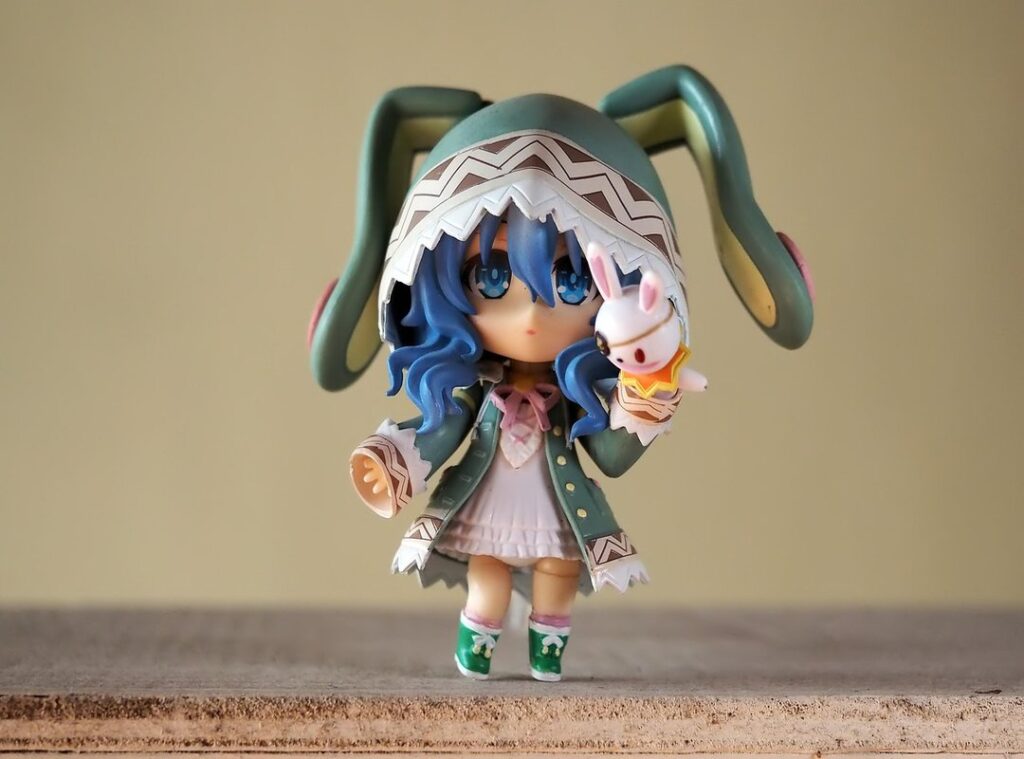
You have a great character idea but struggle with drawing the perfect cute, tiny body. It’s frustrating, right? kawaii bases chibi can be your solution. These bases are like a shortcut for artists to jumpstart their creative process.
In this guide, I’ll cover what these bases are, how to use them step-by-step, where to find the best ones, and common mistakes to avoid. By the end, you’ll have the confidence and resources to start creating your own adorable chibi characters immediately. Both beginners and professional artists use these bases to save time and focus on the fun parts of character design.
What Exactly Are Kawaii Chibi Bases?
Let’s break it down. “Kawaii” is all about that Japanese culture of cuteness. “Chibi” refers to the super-deformed art style with large heads and small bodies.
And “Base” is an art template or mannequin.
The primary purpose of a chibi base is to provide a pre-drawn, anatomically correct (for the style) pose. This allows the artist to focus on hair, clothing, and expression without worrying about the basic structure.
Key visual characteristics of a typical chibi base include:
– An oversized head (usually 1/2 to 1/3 of the total height)
– Large, expressive eyes
– A small, simple torso
– Short, stubby limbs
Think of it like a dressmaker’s mannequin but for drawing characters. It gives you a solid foundation to build upon.
Using a kawaii bases chibi is not “cheating.” It’s a smart and efficient tool in an artist’s toolkit. Just like using a 3D model for reference, it helps you create better, more consistent artwork.
So, if you’re into drawing cute, adorable characters, give chibi bases a try. They can make your creative process a lot smoother and more enjoyable.
A Step-by-Step Guide to Using a Chibi Base in Your Art
Creating chibi art can be a fun and rewarding experience. Let’s dive into a step-by-step guide that you can adapt for both digital and traditional art.
Step 1: Find and Download Your Base
First, find a kawaii bases chibi that fits your character’s personality. Make sure the pose aligns with how you envision your character. Also, check the artist’s rules for using their base.
It’s important to respect their guidelines.
Step 2: Set Up Your Canvas
Open your art program, like Procreate, Clip Studio, or Photoshop. Import the base onto its own layer. Lower the opacity of this layer to around 30-50%.
This makes it easier to see your sketches without being too distracting.
Step 3: Sketch Your Character
Create a new layer above the base. Start sketching the unique features of your character: hair, facial expression, clothes, and accessories. Use the base as a guide, but don’t feel constrained by it.
Your character should have its own flair.
Step 4: Create Clean Line Art
Add another new layer. Carefully trace over your sketch to create clean, final lines. This step is crucial for giving your chibi a polished look.
Once you’re done, you can hide or delete the original base and sketch layers.
Step 5: Add Color and Shading
The final step is to color in your character on layers beneath the line art. Add shadows and highlights to bring your chibi to life. This is where your character really starts to pop off the page.
Pro Tip: Experiment with different color palettes and shading techniques. Sometimes a subtle change can make a big difference in the overall feel of your artwork.
By following these steps, you’ll be well on your way to creating charming and unique chibi art. Happy drawing!
Where to Find the Best Free and Premium Chibi Bases

Finding the right chibi bases can make or break your art project. Let’s dive into where you can get both free and premium options. kawaii bases chibi
Free Resources
Platforms like DeviantArt and Pinterest are gold mines for free kawaii bases chibi. These sites host a wide range of styles and poses, perfect for any project.
Always check the original artist’s description for rules on crediting and usage. Some bases are for personal use only, while others allow commercial use with proper credit.
Paid/Premium Resources
For higher quality and more unique poses, consider marketplaces like Etsy and Gumroad. These platforms often offer .PSD files, giving you more flexibility in editing.
Artist-specific platforms like Patreon or Ko-fi also provide exclusive content. By supporting artists directly, you get access to their best work and help them continue creating.
Understanding P2U and F2U Labels
P2U (Pay to Use) and F2U (Free to Use) labels are crucial. P2U means you need to pay to use the base, usually offering better quality and more permissions. F2U means it’s free, but still requires proper credit.
The Golden Rule: Always Credit the Base Creator
No matter what, always credit the base creator. It’s not just polite; it’s the right thing to do. Link back to their profile in your art description.
This shows respect and helps other artists find great resources too.
By following these guidelines, you’ll not only find the best chibi bases but also support the creative community.
Common Mistakes to Avoid When Working with Art Bases
When you start working with art bases, it’s easy to get excited and dive right in. But hold on a second. There are some common pitfalls you should avoid.
First off, always check the artist’s rules. Some bases can be used for commissions, adoptables, or commercial projects, while others can’t. It’s like reading the fine print on a contract—boring but necessary.
Next, don’t just color the base and call it a day. That’s like putting a fresh coat of paint on an old car without fixing the engine. Sure, it looks nice, but there’s no real substance.
Add your unique character and style, and make it your own. Imagine a kawaii bases chibi; it’s cute, but it needs your personal touch to stand out.
Another big no-no is forgetting to credit the base creator. It’s like baking a cake from someone else’s recipe and not giving them a shoutout. It’s just not cool and can harm your reputation in the community.
Always give credit where it’s due.
Lastly, don’t become over-reliant on bases. They’re great for practice and fun, but they shouldn’t be a crutch. Think of them as training wheels.
Eventually, you need to take them off and ride on your own. Practice drawing your own poses from scratch to build those fundamental skills.
Start Creating Your Own Adorable Characters Today
We’ve covered the essentials of kawaii chibi bases—what they are, how to use them, and where to find them. We also highlighted some common pitfalls to avoid. These bases are a fantastic and legitimate tool for unleashing creativity.
They help bring your character ideas to life quickly and easily.
Visit one of the recommended sites today, and find a base that sparks your imagination. Follow the step-by-step guide to create your first piece.
The only thing standing between you and a gallery of cute characters is getting started.

 Ask Susana Foleyesters how they got into outdoor living tips and you'll probably get a longer answer than you expected. The short version: Susana started doing it, got genuinely hooked, and at some point realized they had accumulated enough hard-won knowledge that it would be a waste not to share it. So they started writing.
What makes Susana worth reading is that they skips the obvious stuff. Nobody needs another surface-level take on Outdoor Living Tips, DIY Home Projects, Home and Garden Trends. What readers actually want is the nuance — the part that only becomes clear after you've made a few mistakes and figured out why. That's the territory Susana operates in. The writing is direct, occasionally blunt, and always built around what's actually true rather than what sounds good in an article. They has little patience for filler, which means they's pieces tend to be denser with real information than the average post on the same subject.
Susana doesn't write to impress anyone. They writes because they has things to say that they genuinely thinks people should hear. That motivation — basic as it sounds — produces something noticeably different from content written for clicks or word count. Readers pick up on it. The comments on Susana's work tend to reflect that.
Ask Susana Foleyesters how they got into outdoor living tips and you'll probably get a longer answer than you expected. The short version: Susana started doing it, got genuinely hooked, and at some point realized they had accumulated enough hard-won knowledge that it would be a waste not to share it. So they started writing.
What makes Susana worth reading is that they skips the obvious stuff. Nobody needs another surface-level take on Outdoor Living Tips, DIY Home Projects, Home and Garden Trends. What readers actually want is the nuance — the part that only becomes clear after you've made a few mistakes and figured out why. That's the territory Susana operates in. The writing is direct, occasionally blunt, and always built around what's actually true rather than what sounds good in an article. They has little patience for filler, which means they's pieces tend to be denser with real information than the average post on the same subject.
Susana doesn't write to impress anyone. They writes because they has things to say that they genuinely thinks people should hear. That motivation — basic as it sounds — produces something noticeably different from content written for clicks or word count. Readers pick up on it. The comments on Susana's work tend to reflect that.