What’s Driving the Shift to Sustainable Design
Sustainability is no longer a niche goal in homebuilding it’s now a defining standard. As climate concerns mount and eco conscious living becomes mainstream, the design world is answering with materials and methods that support both people and the planet.
Rising Demand for Eco Conscious Homes
Homebuyers are actively seeking out properties that reflect their environmental values. Energy efficiency, responsible sourcing, and reduced waste are no longer optional features they’re selling points.
Consumers are making greener choices in building and renovation
Energy saving features and sustainable certifications add value
Interest in low impact, long lasting materials is growing
Influence of Climate Policy and Regulation
Governments around the world are tightening regulations around building efficiency and emissions. These new standards are encouraging builders and designers to prioritize sustainability from the ground up.
Stricter energy codes are reshaping how homes are designed and built
Incentives for green buildings are accelerating adoption
Compliance with sustainability benchmarks is now a core consideration
Evolving Buyer Preferences
Today’s homeowners want more than just curb appeal they’re prioritizing durability, health, and environmental integrity.
Preference for renewable, low toxic, and responsibly sourced materials
Emphasis on long term savings through efficient, resilient design
Greater awareness of environmental footprint and lifecycle impact
For a deeper look at how eco consciousness is influencing home choices, read more here: eco friendly living design
Plant Based Innovations
As sustainable home design evolves, plant based materials are taking center stage. These innovations go beyond aesthetics they offer environmental benefits, structural utility, and long term resilience. Below are some standout options redefining eco conscious construction and interior design.
Hempcrete: A Carbon Negative Game Changer
Hempcrete is rapidly gaining attention as a high performance alternative to traditional concrete. Made from the woody core of the hemp plant mixed with a lime based binder, it’s not just sustainable it’s regenerative.
Carbon negative: Absorbs more CO₂ than it emits during production
Natural insulation: Delivers excellent thermal performance
Fire resistant: Built in fire retardancy adds safety to structure
Durable and breathable: Ideal for reducing mold and moisture buildup
Bamboo: Strong, Stylish, and Rapidly Renewable
Bamboo has emerged as a leading material thanks to its impressive strength to weight ratio and fast regrowth cycle. It brings a versatile blend of performance and style.
Highly renewable: Harvestable within 3 5 years
Naturally strong: Comparable to hardwoods in durability
Design flexibility: Works well in both traditional and modern interiors
Minimal processing required: Lower production footprint than many hardwoods
Cork: Layered Comfort and Natural Resistance
Sourced from the bark of cork oak trees without harming the tree itself, cork combines soft texture with powerful benefits.
Antimicrobial properties: Naturally resists mold, mildew, and pests
Thermal and acoustic insulation: Keeps homes quiet and comfortable
Ideal for flooring and wall panels: Adds warmth and organic texture
Renewably harvested: Trees regenerate bark every 9 12 years
These plant based materials offer more than sustainability they deliver performance, beauty, and future ready design benefits that appeal to developers and homeowners alike.
Reclaimed and Recycled Reimagined
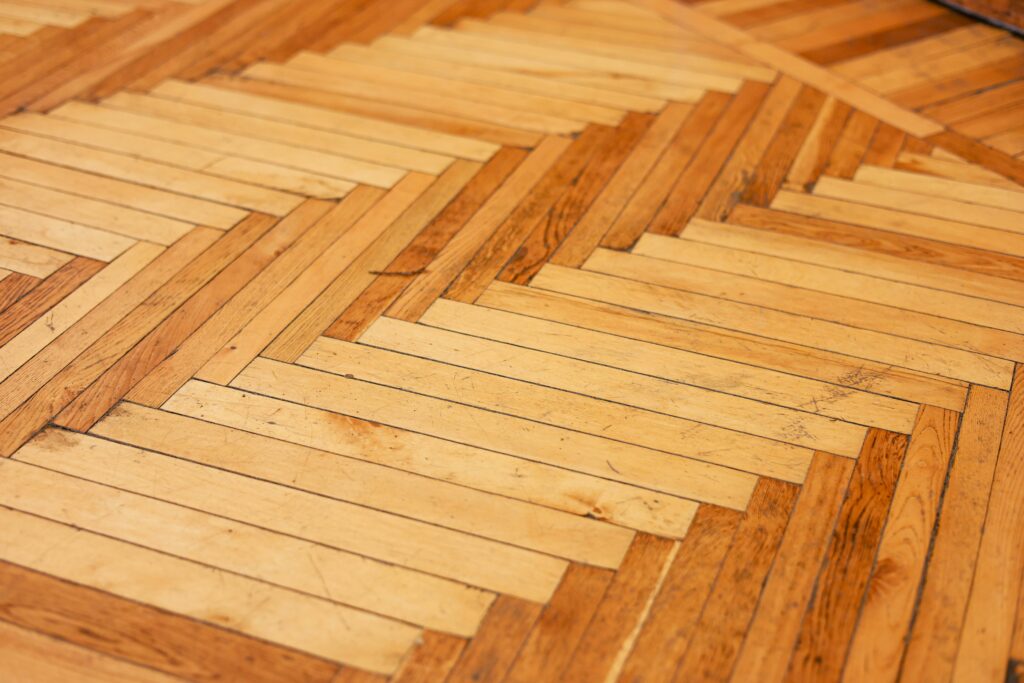
Sustainability isn’t always about inventing something new it’s often about giving old materials a second life. Reclaimed wood continues to be a go to for designers who want warmth, texture, and story. Each beam or plank carries a history old barns, factories, and demolished buildings turned into flooring, cabinetry, and feature walls. Beyond aesthetics, using reclaimed wood helps cut down on deforestation and the energy used in processing new timber.
Recycled glass is another standout. When shaped into countertops or backsplashes, it brings a bold, colorful edge to any space. No two pieces look quite the same, and the production process generates near zero waste. That makes it as much a statement about values as it is about design.
Then there’s metal steel and aluminum in particular being reused in everything from framing to fixtures. These industrial materials fit well into both ultra modern and rustic inspired homes. They’re durable, endlessly recyclable, and already part of the material stream, meaning less mining and less impact.
In 2026, thoughtful reuse isn’t niche it’s high end, smart, and here to stay.
Next Gen Smart Materials
As sustainable design evolves, innovation goes beyond what’s visible on the surface. Next gen smart materials are turning homes into intelligent, energy efficient systems that respond to environment and usage patterns in real time. These materials aren’t just eco friendly they add functionality and long term value.
Solar Active Tiles and Walls
Homes of 2026 are increasingly becoming self sufficient energy producers. One of the standout solutions? Building materials with solar active capabilities.
Solar active tiles and cladding generate clean energy throughout the day, reducing reliance on the grid.
They integrate seamlessly into roofing and wall systems, offering both aesthetics and performance.
Ideal for net zero homes or designs looking to meet stricter energy efficiency standards.
Phase Change Insulation
Insulation is no longer static. Phase change materials (PCMs) are redefining how homes regulate internal temperatures.
Smart thermal insulation absorbs, stores, and releases heat depending on outside conditions.
Enhances energy efficiency by reducing the need for artificial heating and cooling.
Helps maintain consistent indoor temperatures, improving comfort and reducing utility costs.
Bio Based Resins
Plastics have long dominated interior fixtures but bio based resins are carving out a strong, sustainable alternative.
Made from renewable sources like soy, corn, or cashew nutshells.
Used in countertops, tiles, and cabinet finishes, offering durability without petroleum based chemicals.
Often customizable in color and texture, keeping design flexibility intact.
Together, these materials represent the forefront of sustainable innovation merging tech savvy solutions with low impact living.
Low Impact Finishes and Furnishings
As sustainability becomes a driver of design choices, the focus has shifted from just the structure of a home to the finishing touches and furnishings. In 2026, homeowners and designers are paying closer attention to how every surface, fabric, and item contributes to long term environmental impact.
Natural Paints: Clean Walls, Clean Air
Traditional paints often release volatile organic compounds (VOCs), harming indoor air quality. In contrast, natural paints use mineral pigments and plant based binders to deliver color without compromise.
Free from VOCs and synthetic chemicals
Improve indoor air safety and comfort
Available in a wide range of modern shades and finishes
Organic Textiles: Sustainable Comfort
Furnishings and textiles made from organic fibers reduce chemical use and water waste, while offering beauty and durability.
Materials like cotton, linen, and hemp grown without pesticides
No synthetic dyes or chemical heavy processes
Ideal for upholstery, drapes, bedding, and accents
Locally Crafted Pieces: Thoughtful + Low Carbon
Beyond materials, where and how items are made now matters more than ever. Locally crafted furniture and finishes help reduce carbon output from long distance shipping.
Supports regional artisans and small businesses
Minimizes emissions from transport
Adds unique character and craftsmanship to each space
Prioritizing low impact finishes is not only better for the planet it also creates healthier, more meaningful living environments that reflect conscious design choices.
Final Thought: Sustainability Meets Style
The home of 2026 isn’t just built it’s engineered for a new kind of living. Sustainability has moved past buzzword territory. It’s now embedded into the DNA of materials that don’t just reduce impact, but actively enhance design.
Think beyond greenwashing. Today’s best materials bring performance and aesthetics in equal measure. Solar active tiles generate power while blending seamlessly into modern roofs. Bio resins replace petroleum based finishes without skimping on durability. Even reclaimed elements now come with clean lines and high end polish.
What’s emerging is a design philosophy anchored in balance. Homes aren’t just built to last they’re built to live well within the planet’s limits. That means choosing smarter, longer lasting products that support energy efficiency and healthier indoor air, all while looking good enough to headline a magazine cover.
We’ve shifted from eco conscious as a feature to eco forward as a foundation. For a closer look at this evolution, check out this deep dive on eco friendly living design.

 There is a specific skill involved in explaining something clearly — one that is completely separate from actually knowing the subject. Dorisan Schaeferer has both. They has spent years working with home maintenance hacks in a hands-on capacity, and an equal amount of time figuring out how to translate that experience into writing that people with different backgrounds can actually absorb and use.
Dorisan tends to approach complex subjects — Home Maintenance Hacks, Home and Garden Trends, Interior Design Ideas being good examples — by starting with what the reader already knows, then building outward from there rather than dropping them in the deep end. It sounds like a small thing. In practice it makes a significant difference in whether someone finishes the article or abandons it halfway through. They is also good at knowing when to stop — a surprisingly underrated skill. Some writers bury useful information under so many caveats and qualifications that the point disappears. Dorisan knows where the point is and gets there without too many detours.
The practical effect of all this is that people who read Dorisan's work tend to come away actually capable of doing something with it. Not just vaguely informed — actually capable. For a writer working in home maintenance hacks, that is probably the best possible outcome, and it's the standard Dorisan holds they's own work to.
There is a specific skill involved in explaining something clearly — one that is completely separate from actually knowing the subject. Dorisan Schaeferer has both. They has spent years working with home maintenance hacks in a hands-on capacity, and an equal amount of time figuring out how to translate that experience into writing that people with different backgrounds can actually absorb and use.
Dorisan tends to approach complex subjects — Home Maintenance Hacks, Home and Garden Trends, Interior Design Ideas being good examples — by starting with what the reader already knows, then building outward from there rather than dropping them in the deep end. It sounds like a small thing. In practice it makes a significant difference in whether someone finishes the article or abandons it halfway through. They is also good at knowing when to stop — a surprisingly underrated skill. Some writers bury useful information under so many caveats and qualifications that the point disappears. Dorisan knows where the point is and gets there without too many detours.
The practical effect of all this is that people who read Dorisan's work tend to come away actually capable of doing something with it. Not just vaguely informed — actually capable. For a writer working in home maintenance hacks, that is probably the best possible outcome, and it's the standard Dorisan holds they's own work to.