Why Low Maintenance Landscaping Works
Low maintenance landscaping is about working smarter, not harder. It’s for people who want attractive, functional yards without pouring every weekend into upkeep. Choosing the right plants means using less water, doing less pruning, and spending more time actually enjoying your space not maintaining it.
You don’t have to ditch style to go low effort, either. Modern plant palettes and smart layouts let you design outdoor spaces that look thoughtful and curated. This isn’t about letting your yard go wild. It’s about using natural efficiency to your advantage plants that thrive with minimal input, layouts that reduce stress points, and soil coverage that keeps weeds in check.
The big picture benefit? A yard that pays off all year without demanding constant work. Whether it’s a quiet corner for morning coffee or an open space for weekend get togethers, a low maintenance landscape helps you claim that time back. And as tighter water restrictions and climate challenges continue, going low input is just common sense.
Traits to Look For in Easy Care Plants
Creating a low maintenance yard begins with knowing which plant traits save time, water, and effort. Choosing the right types of plants from the start ensures less work down the road and promotes a healthier, more self sustaining landscape.
Prioritize Drought Tolerant and Pest Resistant Varieties
Look for plants that can handle dry spells and naturally resist common garden pests. These hardy options require less watering and fewer chemical interventions, making them ideal for eco conscious landscaping.
Drought tolerant choices like lavender, sedum, and yarrow thrive in dry conditions
Pest resistant plants such as Russian sage and catmint reduce the need for sprays or treatments
These varieties are not only hardy but often visually appealing and fragrant
Choose Perennials Over High Maintenance Annuals
Annual plants may offer quick color, but they demand replanting each year. Perennials come back season after season, offering long term beauty with far less effort.
Low maintenance perennials like black eyed Susan and daylilies bloom reliably every year
Less time and money spent on seasonal replanting
Many perennials are also more resilient once established
Opt for Native Species That Thrive Naturally
Native plants are already adapted to your climate and soil conditions, which means they require less water, fertilizer, and care overall.
Support local ecosystems while minimizing your workload
Native plants often attract pollinators, improving garden health
Great options include coneflowers, blazing star, or wild bergamot depending on your region
By focusing on these plant traits, you create a yard that’s not only easier to manage, but also attractive, sustainable, and resilient.
Top Categories of No Fuss Plants
Hardy, good looking plants that don’t demand much those are the real MVPs of any low maintenance yard. Here’s a rundown of four types that do the heavy lifting with almost zero supervision.
Ground Covers That Cut Down on Weeds
Skip the mulch war and let ground covers do the job. Creeping thyme, sedum, and ajuga spread quickly, choke out weeds, and handle foot traffic like pros. They also bring some texture and even seasonal flowers, all without asking for more than the occasional trim.
Evergreens for Low Effort Curb Appeal
Need something to keep your yard looking alive in January? Evergreens like boxwood, dwarf spruce, or yew hold their shape all year. They’re slow growers, so you won’t be out there snipping every month. Plant them once, and they’ll stay loyal for years.
Ornamental Grasses That Adapt and Thrive
Low water use, high drama. Varieties like blue fescue, switchgrass, and feather reed grass add motion and interest, especially when the breeze picks up. They’re nearly immune to pests and tough out both heat and cold without blinking.
Flowering Shrubs With Seasonal Pop and Little Upkeep
Want color without the constant planting? Go for shrubs like spirea, potentilla, or hydrangeas. They’ll bloom reliably, need minimal pruning, and bounce back from rough weather. Less fragility, more flowers.
These categories are your best bet for a yard that looks like you work on it weekly even if you barely check in.
Expert Recommendations: Plant Picks That Deliver
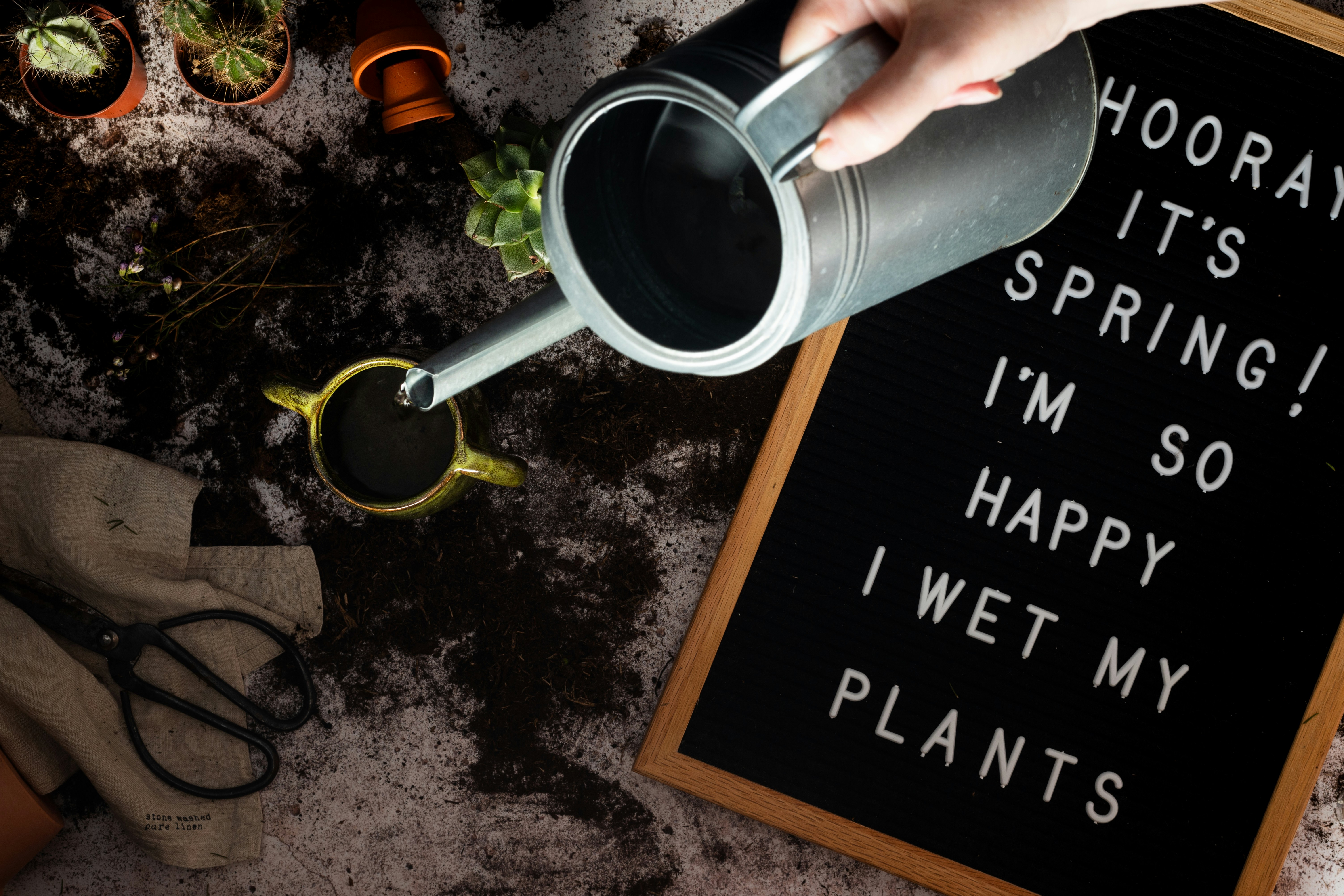
Looking for specific plants that check all the low maintenance boxes? Here’s a breakdown of standout choices that thrive in a variety of conditions with minimal effort from you.
Tried and True Low Maintenance Favorites
Consider these plant options that landscapers and casual gardeners alike recommend time and again:
Lavender
Thrives in full sun and dry soil. It’s drought tolerant, fragrant, and needs little pruning beyond seasonal shaping.
Boxwood
A compact, evergreen shrub that’s versatile in sunlight and requires only occasional trimming to maintain shape.
Coneflower (Echinacea)
A sturdy perennial that attracts pollinators. Tolerates heat, sun, and poor soil beautifully.
Hosta
A classic shade lover that comes back strong each year. Minimal maintenance after planting and great for filling space.
Feather Reed Grass (Calamagrostis)
Adds height and movement to your yard. Handles many climates and doesn’t need cutting back often.
Performance by Conditions
Make the best plant choices based on your yard’s specific conditions:
Sun loving performers
Russian Sage
Sedum
Black eyed Susan
Shade friendly staples
Astilbe
Ferns
Ajuga (Bugleweed)
All climate champions
Yarrow
Daylilies
Catmint (Nepeta)
Easy Care Means More Free Time
What sets these plants apart isn’t just beauty it’s how little effort they require:
Rarely need watering once established
Self sustaining growth patterns
Minimal pruning or deadheading
Naturally resist pests and diseases
Want a full list tailored to different zones and style goals? Browse the full curated guide here: low maintenance plant picks
Smart Planting Strategies for Less Work
Creating a low maintenance yard isn’t just about what you plant it’s also about how you plant. Strategic planning can reduce your workload for years to come. From thoughtful grouping to smart soil coverage, here’s how to lay the groundwork for a hassle free landscape.
Group by Water and Sunlight Needs
Plants with similar care requirements should be placed together. This simple step streamlines your watering routine and ensures every plant gets what it needs without extra effort.
Cluster drought tolerant species in sunny areas
Keep moisture loving plants in shaded or irrigated zones
Avoid mixing high and low maintenance varieties within the same bed
Use Mulch to Your Advantage
Mulch is a time saving powerhouse in any low maintenance design. It suppresses weeds, retains soil moisture, and boosts soil health without constant intervention.
Apply 2 3 inches of organic mulch (like bark or shredded leaves)
Focus on the base of plants and open soil between them
Refresh once or twice a year to maintain benefits
Plan for Future Growth
What looks small today may become a maintenance headache tomorrow. Choose plants appropriate for your space, and leave room for natural growth.
Respect mature plant sizes check tags and spacing guidelines
Avoid overcrowding, which increases pruning and pest risk
Use slower growing varieties in tight or high visibility areas
By combining smart grouping, reliable ground cover, and thoughtful spacing, you’ll build a yard that truly works for you not the other way around.
Final Touch: Low Maintenance, High Payoff
Creating a low maintenance yard doesn’t mean settling for a bland or empty looking space. With the right choices and a bit of planning, your landscape can strike a perfect balance between beauty and simplicity.
Keep It Simple, Not Sparse
A minimal effort garden can still look lush and designed. The key is to incorporate plants with structure, texture, and varying heights. Choose a few standout species and repeat them throughout the yard for a cohesive look.
Use bold, architectural plants to anchor your landscape
Choose ground covers and grasses to fill in gaps
Stick to a limited color palette to avoid a busy look
Yard Upgrades That Work for You
Enhance your landscape with small improvements that support plant health naturally. These additions require minimal upkeep but provide noticeable benefits all year long.
Mulch: Retains moisture, reduces weeds, and improves soil quality
Drip irrigation systems: Deliver water efficiently with less waste
Compost or organic matter: Boost soil health and reduce the need for synthetic fertilizers
Think Long Term, Start Small
You don’t have to redesign your entire yard overnight. Smart landscaping is about vision and patience. By phasing in changes, you’ll create a more intentional, sustainable space without becoming overwhelmed.
Begin with one area or a single plant bed
Add new plants seasonally to spread out costs and effort
Monitor what thrives before expanding further
For a full list of plant recommendations tailored to easy care yards, check out our curated guide here: low maintenance plant picks.

 There is a specific skill involved in explaining something clearly — one that is completely separate from actually knowing the subject. Dorisan Schaeferer has both. They has spent years working with home maintenance hacks in a hands-on capacity, and an equal amount of time figuring out how to translate that experience into writing that people with different backgrounds can actually absorb and use.
Dorisan tends to approach complex subjects — Home Maintenance Hacks, Home and Garden Trends, Interior Design Ideas being good examples — by starting with what the reader already knows, then building outward from there rather than dropping them in the deep end. It sounds like a small thing. In practice it makes a significant difference in whether someone finishes the article or abandons it halfway through. They is also good at knowing when to stop — a surprisingly underrated skill. Some writers bury useful information under so many caveats and qualifications that the point disappears. Dorisan knows where the point is and gets there without too many detours.
The practical effect of all this is that people who read Dorisan's work tend to come away actually capable of doing something with it. Not just vaguely informed — actually capable. For a writer working in home maintenance hacks, that is probably the best possible outcome, and it's the standard Dorisan holds they's own work to.
There is a specific skill involved in explaining something clearly — one that is completely separate from actually knowing the subject. Dorisan Schaeferer has both. They has spent years working with home maintenance hacks in a hands-on capacity, and an equal amount of time figuring out how to translate that experience into writing that people with different backgrounds can actually absorb and use.
Dorisan tends to approach complex subjects — Home Maintenance Hacks, Home and Garden Trends, Interior Design Ideas being good examples — by starting with what the reader already knows, then building outward from there rather than dropping them in the deep end. It sounds like a small thing. In practice it makes a significant difference in whether someone finishes the article or abandons it halfway through. They is also good at knowing when to stop — a surprisingly underrated skill. Some writers bury useful information under so many caveats and qualifications that the point disappears. Dorisan knows where the point is and gets there without too many detours.
The practical effect of all this is that people who read Dorisan's work tend to come away actually capable of doing something with it. Not just vaguely informed — actually capable. For a writer working in home maintenance hacks, that is probably the best possible outcome, and it's the standard Dorisan holds they's own work to.